

YVY RIDING GUIDES
48V 15Ah vs 20Ah E-Bike Battery: Real Range Difference
Keep your next ride in mind when choosing your battery setup.
Compare e-bike battery setups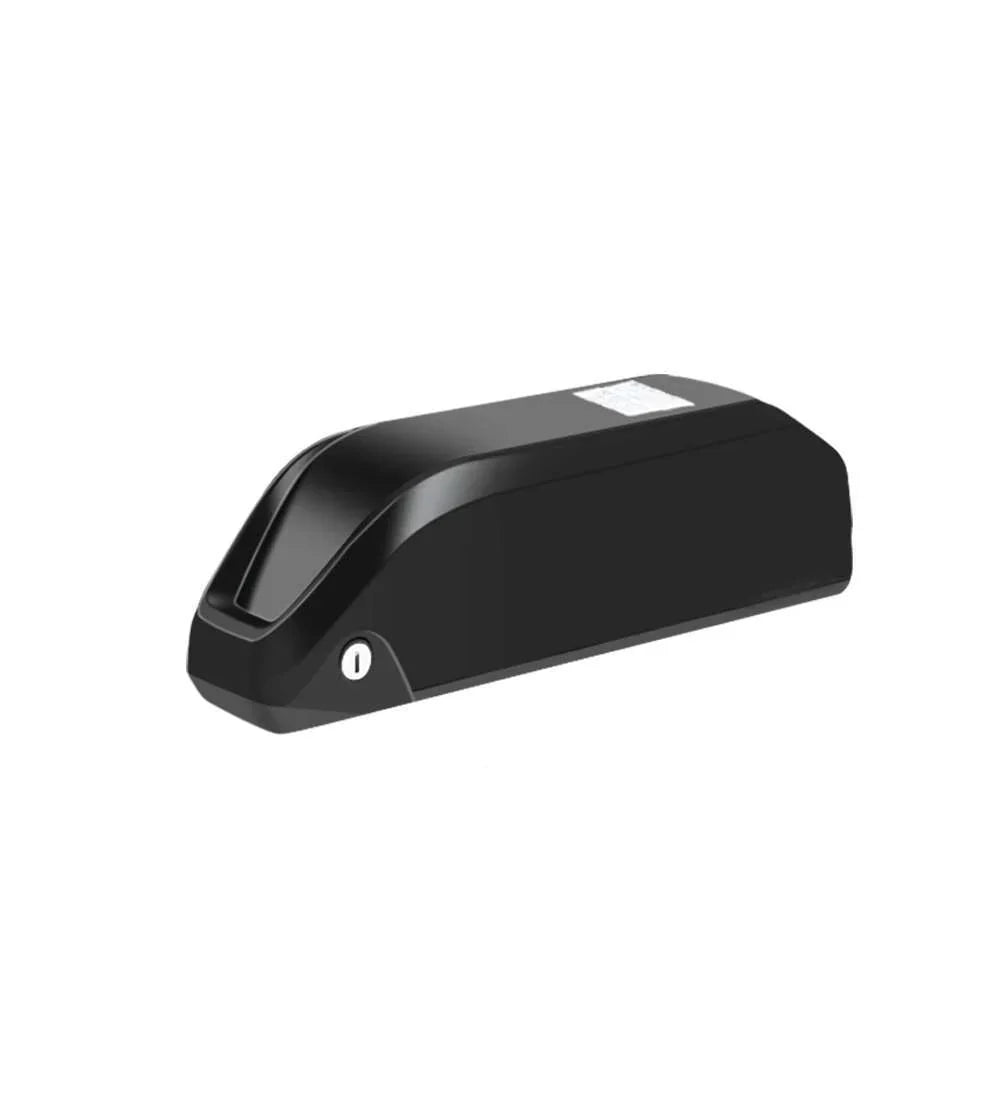
Searching 48V 15Ah vs 20Ah (sometimes typed as “48w”)? Amp-hours only make sense at the same voltage. At 48V, moving from ~15.6Ah to 20Ah adds about 211 Wh—enough to feel on a real commute.
Direct Answer: 20Ah Adds Roughly 25–35% More Range
At 48V, a 15.6Ah pack stores about 749 Wh and a 20Ah pack about 960 Wh. On similar riding, that extra capacity typically means roughly 10–15 more flat miles or 6–10 more hilly miles. You pay with weight and price; you gain margin for cold weather, detours, and higher assist.
15.6Ah vs 20Ah Range Table (48V)
| Battery | Watt-hours | Flat range | Hilly range |
|---|---|---|---|
| 48V 15.6Ah | ~749 Wh | 30–45 mi | 20–30 mi |
| 48V 20Ah | ~960 Wh | 40–60 mi | 28–40 mi |
| Difference | +211 Wh | +10–15 mi | +6–10 mi |

When the Smaller Pack Is Enough
If your commute is under 15 miles round trip and you charge nightly, a 15.6Ah pack covers it with margin—exactly the role of models like the YVY K20 Lite (48V 15.6Ah). The smaller pack is lighter and cheaper when you lift the bike into a car or up stairs.
When the Bigger Pack Wins
Choose 20Ah if you ride 20+ miles, climb hills, ride in cold weather, or want to charge every other day. The YVY K20 ships with a removable 48V 20Ah pack for that margin. Battery health declines over years, so extra capacity also buys service life.

Need Even More? Dual-Battery Territory
If one 20Ah pack still feels tight, compare dual-battery platforms rather than forcing an incompatible swap. The YVY K20Pro uses dual 52V 20Ah packs (40Ah total) for long-range days—different voltage architecture, so treat it as a model choice, not a drop-in upgrade for a 48V bike.
Compare Watt-Hours, Not Ah Alone
At different voltages, amp-hours mislead: a 52V 17Ah pack can hold more energy than a 48V 20Ah pack. Always convert to watt-hours (volts × amp-hours) when comparing bikes or replacement batteries.
FAQ
Is a bigger Ah battery worth it?
Yes if you ride 20+ miles, climb, ride in cold weather, or prefer charging every other day. For short flat commutes, 15.6Ah saves weight and money.
How much more range does a 20Ah battery have than 15Ah?
At the same voltage, roughly 25–35% more. 48V 20Ah (~960 Wh) vs 15.6Ah (~749 Wh) typically adds 10–15 flat miles or 6–10 hilly miles.
How many miles will a 48V 20Ah battery give?
On flat ground at moderate assist, expect about 40–60 miles; hills, cold, high assist, and heavier riders pull that toward 28–40 miles.
Can I upgrade from 15Ah to 20Ah?
Only if voltage, mount, and controller match. Check model fitment—never mix voltages with the controller.
Where to Verify Facts and Rules
Cross-check the key claims in this article against primary sources CPSC battery safety center, FAA PackSafe lithium battery guidance, FedEx lithium battery shipping rules, UL Standards and Engagement, PeopleForBikes, NHTSA bicycle safety.
Conclusion
Buy 20Ah for range margin, hills, and cold; stick with 15.6Ah for light short commutes. Compare watt-hours, never amp-hours alone.
Next step: compare K20 Lite, K20, and K20Pro, or browse batteries and accessories.
Explore more in Battery & Range.
Keep your next ride in mind when choosing your battery setup.
Compare e-bike battery setups Battery & Range