

YVY RIDING GUIDES
Is a Dual-Battery Fat-Tire E-Bike Worth the Extra Cost for Long-Distance Riding?
Keep your next ride in mind when choosing your battery setup.
Explore batteries & accessories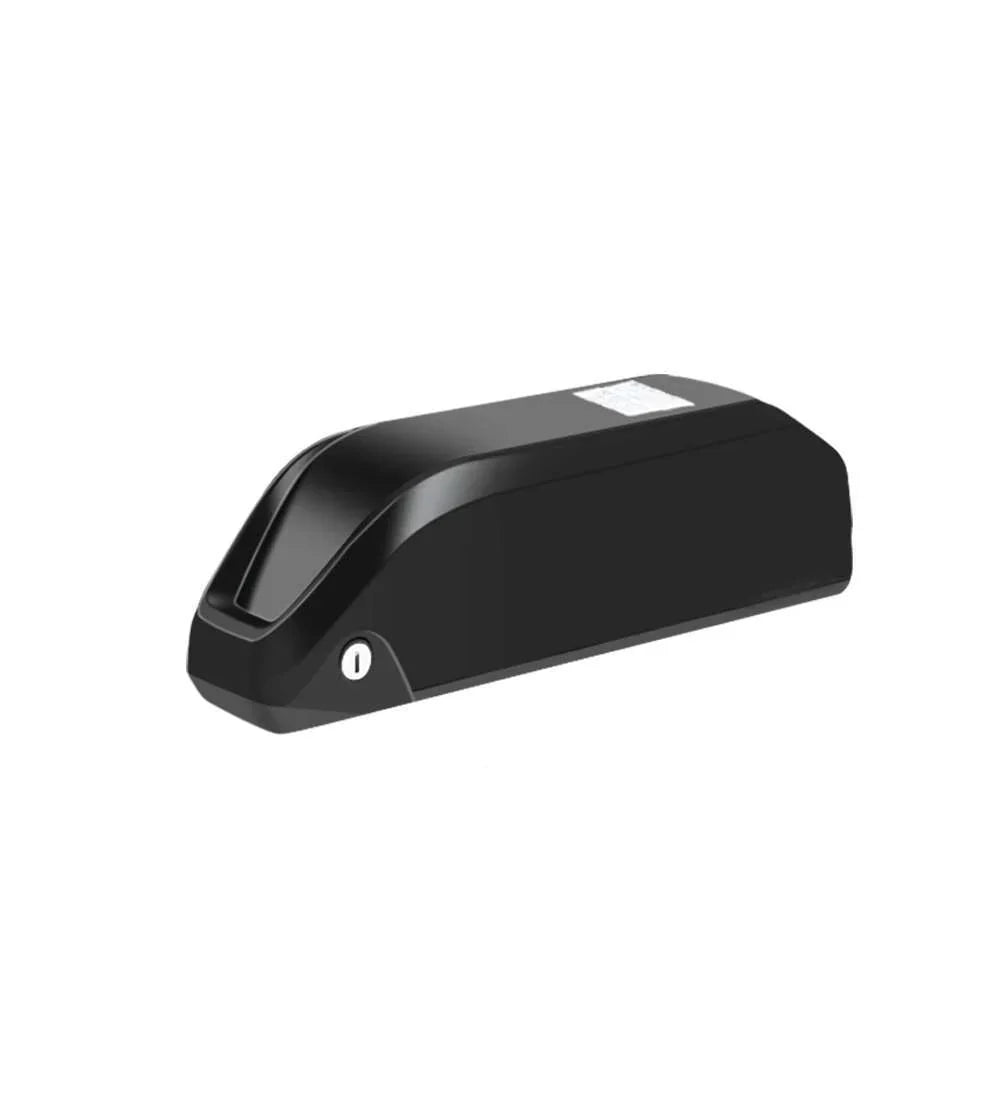
It can be—when your long-distance rides regularly exceed what a single large pack delivers after hills, wind, and fat-tire drag, or when you need mid-ride redundancy without hunting cafés for outlets. It is not worth the extra cost if your “long” rides still fit a quality 20Ah-class single pack with reserve, or if the dual-battery bike’s price and mass fight apartment storage. Within YVY’s U.S. core lineup (checked 2026-10-26), the K20Pro is the dual-battery example: dual 52V 20Ah packs (40Ah total), dual-motor 2000W listing, hydraulic brakes, $1,299—versus the single-pack K20 at $649 with 48V 20Ah.
What dual batteries buy you
- More watt-hours for long days.
- Ability to plan bigger loops without range anxiety.
- Potential to manage packs (follow the manual for one- versus two-pack operation if offered).
- Better match for dual-motor energy demand on the K20Pro’s architecture.
Brand FAQ language on the K20Pro cites up to 75 miles pure electric and up to 180 miles pedal assist. Those are best-case ceilings that shrink with fat-tire drag, hills, cold, and high assist. Dual batteries raise the ceiling; they do not guarantee the marketing number on your route.
What they cost beyond the sticker
Money: K20Pro at $1,299 versus K20 at $649 on product pages dated 2026-10-26—roughly a double-price step for dual packs plus dual motors and other upgrades, not batteries alone. Mass: Extra pack and motor hardware make carrying and storage harder. Charging time and outlets: Two packs mean more charger logistics. Complexity: More connectors and management overhead.
If you only need more energy—not dual motors—evaluate whether a larger single pack option meets the need before paying for the full dual system. YVY also lists other battery-size variants on the store; verify handles so you compare the right products.
When dual battery is worth it
- Weekend 50–100+ mile style loops with hills (actual results vary).
- Unsupported rural routes with few charging points.
- Dual-motor riding that would empty a single 20Ah pack too fast.
- Riders who already max out single-pack bikes and value reserve over saving money.
When it is not worth it
- Daily 10–25 mile commutes with home charging—the K20’s 20Ah pack is often enough with margin.
- Apartment dwellers who struggle to store or move a heavier dual-battery bike.
- Budgets that would be better spent on the K20’s hydraulics and 20Ah versus stretching to $1,299.
- Riders who hoped dual batteries alone would fix soft-tire inefficiency—pressure discipline still matters.
Middle path
Use a single large pack for most weeks; rent or borrow charging stops for rare epics—or plan café charges. Removable packs on YVY bikes make indoor top-offs easier even without dual batteries. Carry the spare clothing and tools you need; do not assume dual packs replace navigation and weather planning.
How to estimate whether you need dual packs
- Log a month of rides on a single-pack bike if you have one, noting ending charge after your longest day.
- If you regularly finish under ~30% after hills and winter cold, calculate whether a larger single pack solves it.
- If you already use a 20Ah-class pack and still lack margin for target epic routes—or you run dual motors—dual batteries become rational.
- Multiply your longest planned day by a hill/winter factor (editorial: plan substantial margin rather than a fake precise coefficient).
- Compare that energy need to 20Ah at 48V versus 40Ah at 52V class systems qualitatively: the Pro is in another capacity league.
Dual battery versus dual motor
On the K20Pro they arrive together in the product story. You may want energy without always wanting both motors active. Use modes that minimize unnecessary dual-motor drain when touring for distance. Worth-the-cost analysis should include whether you will actually use dual drive or mainly wanted watt-hours.
Charging safety for two packs
Charge with matched chargers on hard surfaces, keep packs away from exits and clutter, and do not charge damaged packs. Removable batteries help you charge indoors without blocking egress with the whole bike. Dual packs double the charging events—build a safe routine, not a hallway spaghetti of cords.
Warranty and longevity
More cells mean more capacity and more assets to care for. Follow storage guidance for lithium-ion (avoid hot cars, avoid long storage at 0% or 100% when possible). Review warranty terms for battery coverage length and exclusions. Dual batteries are worth more only if they stay healthy.
Cost-per-mile thinking
Divide the price gap between a K20 and K20Pro by how many extra assisted miles you will realistically ride over a few years because of the second pack. If the dual system enables weekly long loops you would otherwise skip, the experiential value may exceed a crude cost-per-mile. If you only take one century-style day a year, paying roughly double up front (on 2026-10-26 list prices) is harder to justify—unless dual motors are also solving climb problems.
Include accessory costs: second charger placement, possible extra locks, and higher-quality lighting for dawn/dusk long rides. Dual batteries do not replace those.
Long-distance route design with one versus two packs
Single-pack long rides lean on charging stops, conservative assist, firmer tires, and elevation-aware routing. Dual-pack rides allow more remote loops but still need food, weather plans, and mechanical spares. Do not let a 40Ah total tempt you into unsupported routes beyond your repair skills. Carry a 20×4.0 tube, pump, and multi-tool regardless of pack count.
Resale and opportunity cost
Higher-priced dual-battery bikes can hold interest among touring buyers but may be harder to sell to pure commuters. Opportunity cost also includes not buying racks, panniers, or clothing that would improve long rides on a cheaper K20. Sometimes gear plus a single strong pack beats an unused dual-motor flagship.
Redundancy ethics and safety
A second pack can be a safety margin if one pack faults far from help—valuable in remote areas. It is not a license to ignore battery care. Rotate inspection of both packs for swelling, odor, or damaged shells; stop using a suspect pack. Dual batteries increase the number of things to inspect, not the excuse to inspect less.
Side-by-side snapshot
| Need | Likely worth dual battery? |
|---|---|
| 15-mi hilly commute | No — K20 20Ah usually |
| 40-mi weekend with cafés | Maybe — depends on hills/assist |
| Remote 70-mi loop, high assist | Yes — strong case for K20Pro-class capacity |
| Dual-motor soft climbs + distance | Yes — energy matches layout |
| Apartment stair carry daily | Often no — mass penalty |
Charging hygiene when you own two packs
Two packs double your charge cycles and your chances to grab the wrong brick. Label chargers, unplug when the cycle finishes, and stay present while charging—CPSC’s micromobility guidance stresses manufacturer-matched chargers and not charging while asleep (CPSC micromobility center). Extra capacity is not a reason to buy third-party “universal” chargers; CPSC has warned about fire risk from incompatible “universal” micromobility chargers (CPSC universal-charger warning).
Pay the dual-battery premium only if your calendar already includes long, high-draw rides you cannot finish honestly on a single 20Ah-class pack—or if dual motors are solving the same routes’ climbs. Otherwise buy the single strong pack, ride firmer pavement pressures, and spend the difference on locks, lights, and charge discipline. Compare live US prices and amp-hour labels on the K20 and K20Pro product pages before you pay for cells you will not empty.
Explore more in Battery & Range.
Keep your next ride in mind when choosing your battery setup.
Explore batteries & accessories Battery & Range