

YVY RIDING GUIDES
Charging an E-Bike in an Apartment: HOA, Fire, and a Safer Indoor Setup
Keep your next ride in mind when choosing your battery setup.
Explore batteries & accessories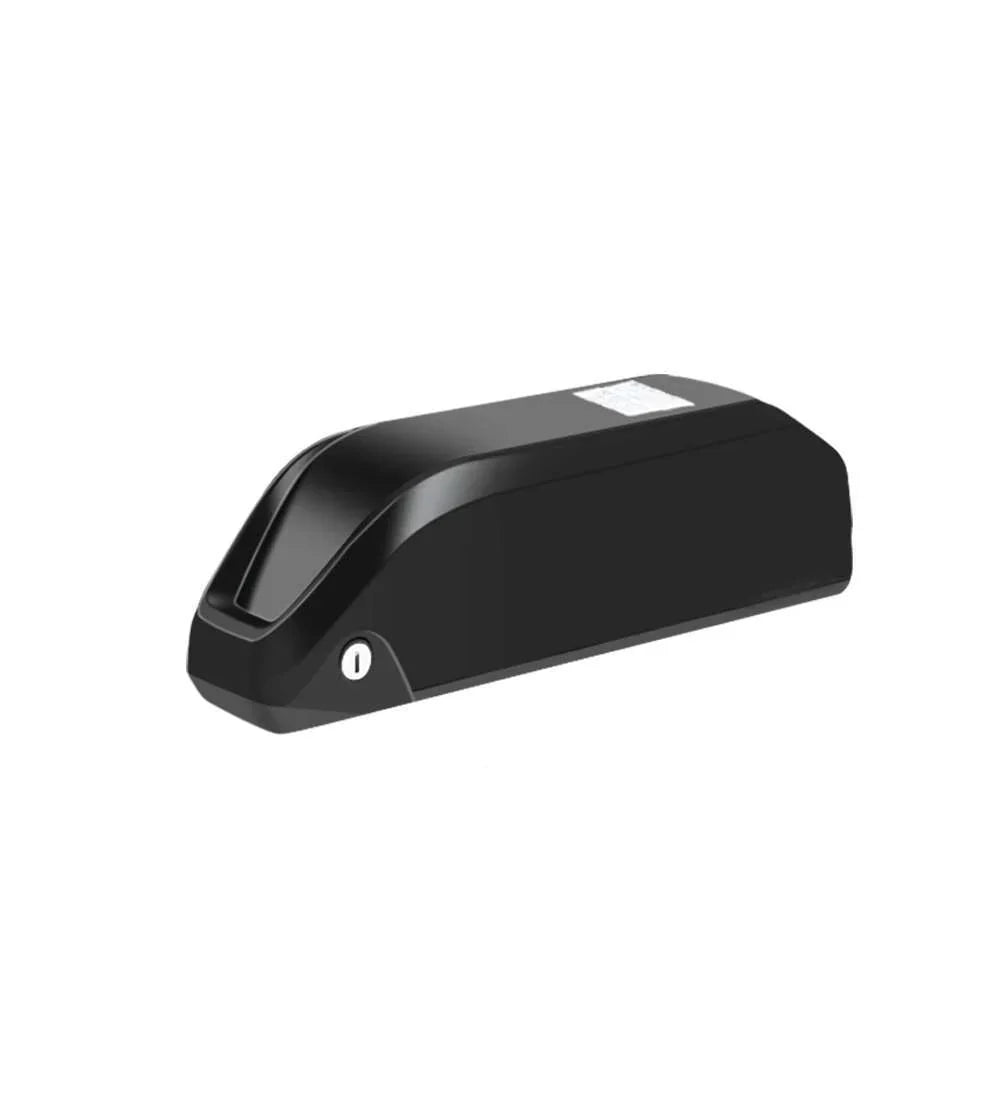
Charging an e-bike in an apartment is often possible, but it is not the same job as plugging in a phone by the door and going to bed. You need a clear building rule, the charger that belongs to that bike, and a place that will not block a way out. This guide is for renters and HOA residents. It is not landlord permission or a nationwide building-code ruling.
What you are trying to accomplish, and when to stop
You are trying to refill a lithium-ion pack for the next ride without turning a hallway, bedroom, or unmarked closet into a charging station. A safer indoor setup keeps the pack on a hard, clear surface, uses the manufacturer charger, and leaves the exit path open.
Stop if your lease or HOA forbids indoor charging, or if the building already names a designated room you are supposed to use. Stop if the pack is swollen, wet, cracked, or giving off an unusual smell, or if the charger is damaged. Stop if the only outlet you can reach requires an extension cord, a power strip, or a hallway plug in an escape route. The CPSC micromobility guidance tells consumers to be present while charging and not to charge while sleeping. If you cannot stay home, wait.
Tools, parts, and a safe setup — focused on charging an E-Bike in an Apartment
You do not need a car EV wall box. You need the charger that shipped with the bike, or a replacement the manufacturer lists as compatible, and a grounded wall outlet you can reach without a cord snake. Take the battery indoors only if the product page says the pack is removable.

Choose a hard, non-flammable surface away from bedding, curtains, and bags of clothes. Keep working smoke alarms, and leave enough space that a hot pack cannot block the door. A dry, room-temperature corner beats a wet balcony or a furnace closet. Confirm a replacement on the official YVY Charger page if yours is missing. The CPSC warning on universal micromobility chargers exists because a plug can fit and still be the wrong charger.
The steps, in order
Read the building rule before you create a charging habit. The sequence below is for one bike, in an approved place, with that bike’s own charger.
- Read your lease, house rules, and any HOA memo on e-bikes and indoor charging. If the rule is unclear, ask in writing and wait.
- Use a designated charging room or cabinet when the building actually provides one. Do not treat a stairwell as overflow space.
- Inspect the pack and charger. If you see swelling, damage, heat marks, a burnt smell, or a bent connector, do not charge at home.
- If the listing says the battery is removable, carry only the pack indoors and keep the frame off doorways.
- Set the pack on a hard, clear surface away from beds, drapes, and your exit. Plug the charger into a wall outlet, not an extension cord or a power strip.
- Stay in the apartment while it charges, then unplug the charger from the wall and the pack. Do not leave it connected overnight.
That last step is the habit CPSC charging advice keeps repeating.
What “good” looks like when you are done
A finished setup is quiet and boring. The pack is unplugged, the charger is off the wall, and the exit path is still clear. The apartment does not smell like hot plastic, the charger is only normally warm, and the pack has not changed shape.

You should also be able to say where charging is allowed. “The office said the pack can charge in my unit on a wall outlet” is a good answer; a hallway outlet is not. Keep the original charger with the bike documents so a roommate cannot “just use a spare.”
Mistakes that damage the bike or void a warranty
The most common mistake is using a charger that was not supplied or recommended for that battery, including so-called universal e-bike chargers. That can damage the pack and leave you with a failure that does not look like a simple hardware defect. YVY’s current warranty page covers defects in hardware or firmware under regular use for the models it lists, not damage from an unmatched charger, a modified pack, or a battery stored wet or crushed.
Do not charge a swollen or wet pack to “see if it comes back,” leave the charger plugged in for days, pin a cable under a door, or repair cells yourself. The same warranty page currently names the K20 Lite, K20, and K20Pro. Do not assume every bike in the catalog is on that list.
When this is a shop job instead
A charging problem becomes a shop or support job as soon as the pack or charger is damaged, or as soon as the system heats, smokes, or smells wrong. That is not a DIY project. Move the pack off carpets and away from the door only if you can do that safely, then leave the area and contact the seller or a qualified service point. Do not open the pack or swap cells.
It is also a support job if the official charger will not start a charge on a pack that still looks normal. Replace a failing charger with the unit listed for that bike, not a look-alike brick. If your building asks for a safety mark, request listing-specific documents. Certification, including UL 2849, is attached to a specific product, not a whole brand range, and no nationwide rule says an apartment must allow charging because a page mentions a test mark.
How this task fits into regular care
Apartment charging works best as a short, planned habit, not as a constant trickle charge in the corner. Charge after you get home, while you are awake and in the unit, and unplug when the cycle ends. Do not leave the pack on the charger for storage unless the manufacturer says to store it that way.
Use the same allowed outlet each time, and wipe mud off the pack and connector before you bring it inside. If you own a fat-tire e-bike or a city e-bike, treat each pack and charger as a pair. For storage and stairs, see the guide to using a fat-tire e-bike in an apartment; this page stays on charging.
A short maintenance or safety recap
Check the building rule first. Use the manufacturer charger. Plug into a wall outlet, not a strip or an extension cord. Keep the pack off the exit path and off soft furnishings. Stay present, then unplug. Do not charge a damaged battery at home or treat a hallway as overflow space.
The NFPA lithium-ion battery safety page is a useful official starting point. For what certification marks do and do not prove, see the article on e-bike battery fire safety instead of assuming one label settles an HOA question.
Do you need a building EV charger to charge an e-bike in an apartment?
No. A car EV station is not required.
An e-bike uses its own matched charger on a standard household outlet, if your building allows that setup and the pack and charger are in good condition.
Search results about getting an EV charger in an apartment are usually about cars and reserved parking, not bicycle batteries. A hardwired car charger is a different permit path, and it does not answer an HOA question about an e-bike pack. A shared micromobility room can help when your building actually provides one, but it is not an EV parking pedestal. The practical path is a removable pack, the official charger, a wall outlet, and a written building rule.
Can you leave an e-bike plugged in overnight?
No. Do not leave it charging overnight.
Official consumer guidance is to stay present, avoid charging while you sleep, and unplug the charger when the cycle is finished rather than leaving the pack on the wall.
Overnight charging is convenient, and it is the pattern safety agencies warn against because many reported micromobility fires start when people are asleep. If you get home too late to watch a charge, wait until morning. New York City materials also tell residents there not to charge unattended or overnight and not to use extension cords or power strips; those are local NYC points, not a national code. Read the FDNY lithium-ion safety tips and the FDNY charging-location guidance if you live there, and still follow your own building’s rules wherever you are.
FAQ
How much does it cost to charge an electric bike battery at home?
The electricity cost is usually modest because you are filling a bicycle pack, not a car. The exact number depends on your utility rate and the battery's watt-hours, which vary by model, so this article does not invent a nationwide price per charge. What you should budget for, besides power, is a manufacturer-matched charger if yours is missing, and any building rule that requires a designated charging area. The expensive outcome to avoid is fire damage from an unmatched charger or an unattended overnight session.
Can you charge an e-bike at a public charging station?
A public car-charging station is the wrong tool unless the site clearly provides a standard household outlet and your building or the station operator allows that use. E-bike packs are designed for their matched chargers, not for a car-charging connector. If you are traveling, plan around a standard outlet and the charger that belongs to your bike, and do not force a fit at an EV pedestal. When in doubt, wait for a wall outlet you are allowed to use.
Is UL 2849 required before an apartment can allow e-bike charging?
No nationwide apartment rule says a building must allow charging just because a bike is marketed with UL 2849, and no article here can invent that mandate. Some cities, including New York City, publish local guidance that tells residents to look for certified devices and to follow local fire-safety practices. Your lease or HOA policy still controls what you may do in that building. Ask for listing-specific documents if the office requests them, and do not treat a certification mark as a substitute for written permission.
Can I charge an e-bike battery in a hallway or stairwell?
You should not. Hallways and stairwells are exit paths, and a charging pack there can block escape or create a hazard for neighbors. Even if an outlet is visible in a corridor, that is not the same thing as permission. Charge in a place your building has allowed, keep the pack off the door swing, and use a wall outlet in that approved space. If you have no allowed indoor location, ask the office about a designated room rather than improvising in the hall.
Explore more in Battery & Range.
Keep your next ride in mind when choosing your battery setup.
Explore batteries & accessories Battery & Range