

YVY RIDING GUIDES
How to Charge a Dual-Battery E-Bike: Order, Switchover, and What Not to Do
Keep your next ride in mind when choosing your battery setup.
Explore batteries & accessories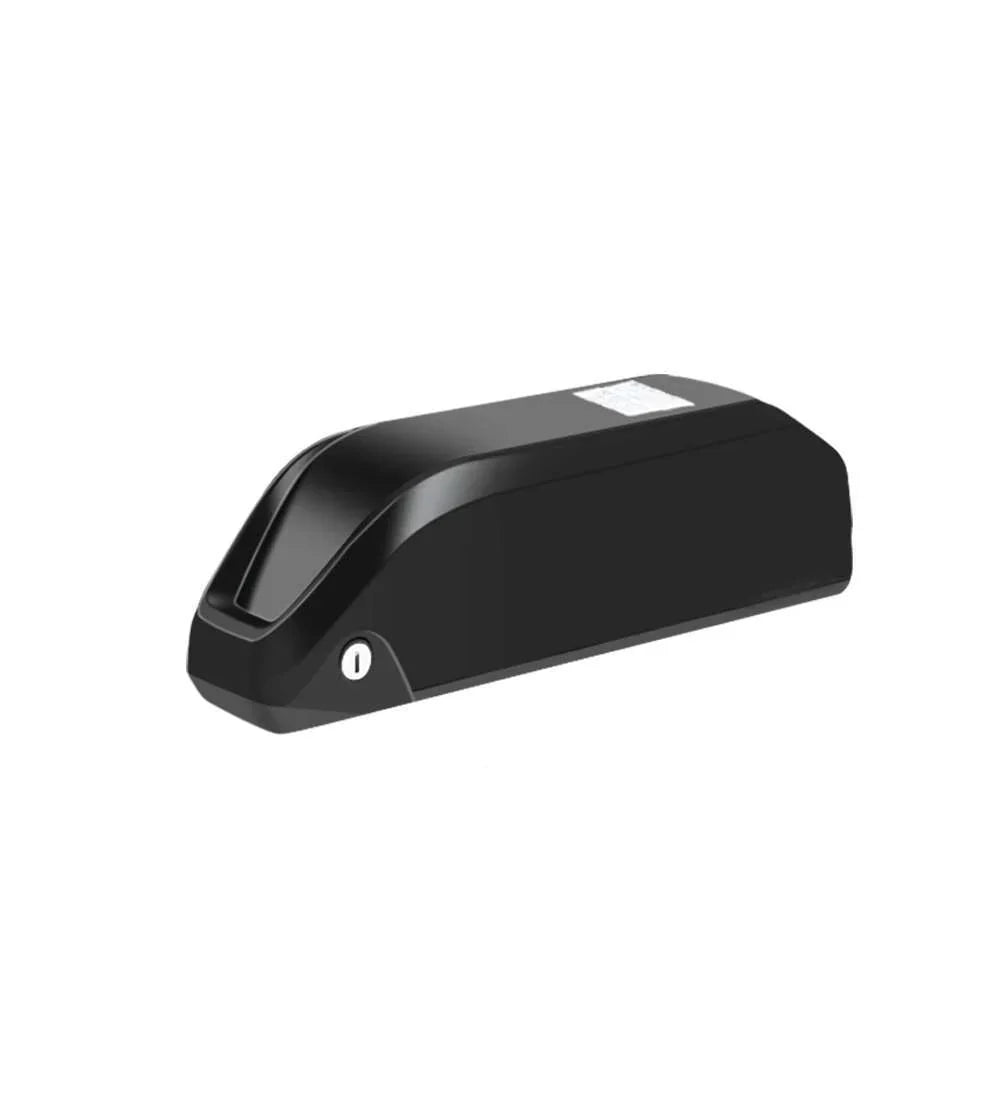
Two packs can make a long day easier, but only if you charge them the way the bike was designed to be charged. How to charge a dual battery e-bike is not a license to use one official charger on two different voltages, or to invent a switchover sequence the manual never printed.
On current YVY pages, the documented dual-battery setup is the 750W 52V 40Ah Class 3 listing, which uses two 52V 20Ah packs. The K20Max is described as a dual-battery fat-tire bike whose other specs, including charging, are still pending confirmation. The K20Pro publishes a single 52V 40Ah pack and is not described as a dual-battery system in that spec block.
What you are trying to accomplish, and when to stop
You are trying to refill both official packs safely, with the correct charger, so the bike has the energy the live page actually describes. You should stop if you do not know the voltage, if you were about to use a car or generic charger, if one pack is swollen, or if you were about to invent a required charging order the official page does not state.
The 750W listing reviewed for this article does not publish a charge time or a required sequence. This page will not invent one. For how a second pack changes range, use the existing second-pack range guide; this page stays on charging and what not to do.
Tools, parts, and a safe setup — focused on how to Charge a Dual-Battery E-Bike
You need the official charger that matches the pack voltage, a hard indoor surface, and enough time for a full charge if the page later publishes one. For other official models, charge times such as 10–12 hours on the K20Pro or 6–8 hours on the K20 Lite are useful context, but they are not a documented time for the 750W dual-battery listing.
Charge on a dry, uncluttered surface, away from bedding, and stay nearby at the start of a charge, which is ordinary practice in NFPA lithium-ion battery guidance. Use the official YVY charger for that voltage family, not a 48V spare on a 52V system and not a 60V dirt-bike charger.

The steps, in order
Until an official page prints a required order, treat the conservative method as: confirm both packs are the official, matching voltage; charge each pack with the official charger; and do not mix a second, generic charger into the job.
- Confirm you actually have a dual-battery bike, such as the 750W listing, not a large single pack.
- Read any charging notes on the live page. If none are printed, do not invent a “left pack first” rule.
- Charge with the official charger on a hard, dry surface. If the packs are removable, you may charge them off the bike one at a time unless the official page says you may use two official chargers.
- Do not charge a 52V pack with a 48V charger, and do not add a generic second brick to hurry the job. The CPSC warning on universal micromobility chargers still applies.
- Install or reseat both packs fully before you ride, and check that each pack is locked.
If one pack charges and the other does not, stop and contact support rather than jumping the second pack from the first.
What “good” looks like when you are done
Both official packs are charged, seated, and at the same voltage family, and the display shows a sensible state of charge. Nothing smells, the charger is only mildly warm, and you did not need an adapter. If the official page later publishes a time, the charge finished in that kind of window, not in a rushed 30-minute generic session.
Good is not a homemade parallel cable, and it is not one exhausted pack sitting next to one full pack of a different voltage. A spare official pack from the removable battery page is a swap only when it matches the model; the accessory “K20PRO” 52V 20Ah line still conflicts with the current K20Pro 40Ah bike page, and it is not a documented second pack for that bike.
Mistakes that damage the bike or void a warranty
The damaging mistakes are mixing voltages, using a car or generic charger, charging a swollen pack, and opening a pack to “balance” it. A dual-battery frame is not a reason to ignore the BMS. Coverage on the current warranty page is listed for named models; a homemade charging harness is not a support plan.
Another mistake is assuming the K20Pro or a silent K20Max page has given you a charging order. The K20Pro is a single published pack. The K20Max page has not confirmed charge instructions. Wait for official text rather than copying a forum sequence.
When this is a shop job instead
Make it a shop or support job if one pack will not charge, if the official page is silent and you need a documented two-charger method, or if a connector is damaged. It is also a shop job if you were about to wire the packs together in a way the live page does not show. CPSC micromobility guidance is on the side of the designed system, not a kitchen-table harness. Designed electrical systems are the subject of standards such as UL 2849.
How this task fits into regular care
Charge both packs as part of the same routine so you do not leave one empty for weeks. Store removable packs indoors, and keep the official charger with the bike. If you also use the accessories collection, still match every spare pack and charger to the voltage on the live bike page. Dual-battery care is regular lithium-ion care, done twice.
A short maintenance or safety recap
Charge a documented dual-battery bike with the official charger, and do not invent a required order or a two-generic-charger shortcut when the live page is silent. Keep voltages matched, and leave K20Max charging details until official specs are confirmed.

How to properly charge an eBike?
Use the official charger, indoors.
Match the charger to the pack voltage and model, charge on a hard dry surface, and unplug a finished pack. For a dual-battery bike, do the same for each official pack, without inventing a sequence the page does not print.
Remove the packs if they are removable and you prefer to charge them off the bike. Do not charge a frozen or swollen pack, and do not use a car charger. Travel and shipping rules such as FAA PackSafe are another reminder that these are regulated lithium packs, not a 12V starter battery you can treat casually.
Does dual battery switch charge both batteries?
Not unless the official page says so.
The current YVY 750W dual-battery listing does not, in the reviewed text, describe a switch that charges both packs from one plug or state a required order, so that behavior is not claimed here.
Some dual-battery bikes in the wider market can charge both packs from one port, or switch between them, but those features have to be documented for the bike you own. Until YVY prints that method for a specific model, charge with the official charger and ask support if you need a two-pack procedure. Do not assume a switch exists because the frame holds two packs, and do not assume the silent K20Max page has answered the question.
If you want a documented two-pack layout, start with the live 750W 52V 40Ah Class 3 listing and follow any charging notes on that page rather than a guessed sequence.
FAQ
Can I add a second battery to my e-bike?
Only if the bike is designed for it, or if the maker documents that exact add-on. The current official YVY dual-battery example is the 750W 52V 40Ah Class 3 listing with two 52V 20Ah packs. The K20Max is described as dual-battery with specs still pending, and the K20Pro is published as a single 52V 40Ah pack. Do not wire a homemade second pack onto a single-pack frame, and do not mix voltages.
How to connect a bike battery?
Seat the official pack in its designed cradle or slide, lock it, and confirm the display sees it. For a dual-battery bike, seat both official packs the same way. Do not invent a parallel cable or a suitcase-battery lead. If a pack will not seat or lock, stop and contact support rather than forcing a connector. Charge only with the official charger for that voltage.
Can I charge both dual-battery packs at once?
Only if the official page for your bike says you may, and the 750W dual-battery listing reviewed here does not publish that procedure or a charge time. The conservative method is to use the official charger and not add a generic second charger to hurry the job. Ask support if you need a documented two-charger method, and do not invent one for the K20Max while its specs are still pending.
Do I have to charge one pack before the other?
Not unless the official manual or product page states a required order. The current 750W dual-battery listing does not print a sequence in the reviewed text, so this article does not invent a left-right or main-plus-range-extender rule. Charge both official, matching packs with the official charger, and treat any later official instruction as the rule that overrides this conservative default.
Explore more in Battery & Range.
Keep your next ride in mind when choosing your battery setup.
Explore batteries & accessories Battery & Range