

YVY RIDING GUIDES
Fat-Tire E-Bikes for Grocery Runs: Cargo, Range, and Parking Reality
Keep your next ride in mind when choosing your battery setup.
Explore batteries & accessories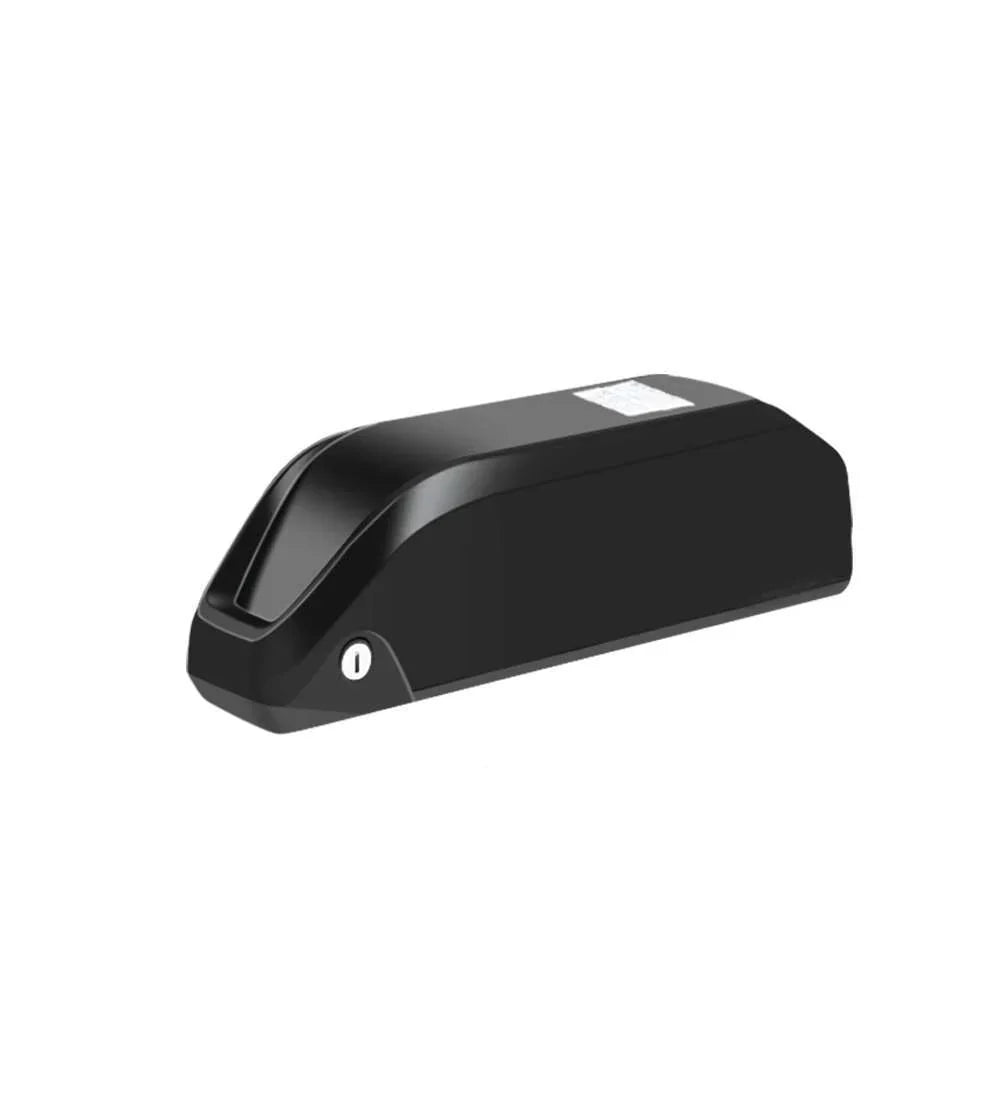
A fat tire e-bike for grocery runs can replace a short car trip, but only if the bike can carry the bags, finish the loop on one charge, and be parked where you can still see it. The weak point is rarely the motor. It is a wet parking lot, a heavy load with no published rack rating, and a range figure that assumed a light rider on flat pavement.
What this use case actually demands from a bike
Grocery work is stop-and-start riding with a changing load. You need stable steering when the bags are full, brakes that still feel trustworthy on a downslope into a lot, and a legal class that matches the streets you will use. Wide 20-inch fat tires can help on broken pavement and wet lots, but they add rotating weight and do not create cargo space by themselves.
Look first at payload, not at a headline mile count. On current YVY fat-tire pages such as the K20, 330 lb is a load figure that includes rider and cargo, not the weight of the bike. Your body, the groceries, and any crates share that number. A rear rack is useful only if the listing includes one, and a mention of a “loaded rack” is not a published rack capacity. If no rack rating is printed, stay under the payload figure and secure panniers or a crate without guessing.
Range, cargo, and a realistic day or week — focused on fat-Tire E-Bikes for Grocery Runs
Plan the week in loops, not in brochure miles. A Tuesday supermarket run and a Saturday restock are different loads, and both are harder than a no-cargo test ride. Advertised pedal-assist figures are favorable cases. Cold weather, wind, hills, low tire pressure, and a full load all shrink the number you will actually see.

Add up the miles in your usual store loop, then leave a reserve for a detour or a headwind. If the live page gives a throttle-only figure and a pedal-assist figure, treat the lower number as the cautious budget when the bags are heavy. The K20 page publishes up to 90 miles in a low assist level and about 30 miles on throttle alone; those are listing-specific headlines, not a promise for a loaded grocery week. Charge at home after the trip rather than counting on a leftover bar.
| What you are carrying | What usually works | What to watch |
|---|---|---|
| A few bags or a backpack | A backpack or handlebar bag for light trips | Steering gets vague if a heavy bag hangs off one side of the bar |
| A weekly shop | Panniers or a strapped crate, with weight kept low | Rider plus cargo must stay within the published payload |
| Bottles and loose cans | A closed bag or a crate with a bungee net | Unsecured items shift in a turn or a sudden stop |
| A run in the rain | A waterproof liner and fenders if the bike includes them | Wet lots are slick, and cardboard grocery bags fail |
Terrain, tires, and weather that change the plan
Fat tires are at their best when the lot is broken, dusty, or lightly snowed over. They help less on smooth asphalt, where a narrower tire can roll with less drag. If your store sits at the bottom of a hill, the loaded return ride is the test, not the empty ride over.
Weather changes the same loop more than most first-time riders expect. A headwind, a cold battery, or underinflated tires can turn a mid-week trip into a grind. Check tire pressure before a heavy shop, and leave more battery in reserve when it is wet or near freezing. Fenders help keep spray off the bags and are included on some current listings, including the K20; do not assume every bike ships with them.
Parking, theft, and where the bike lives
The parking problem is the part a product page will not solve. A supermarket rack may be out of sight from the checkout line, and a fat-tire e-bike is a tempting target. Park where you can still see the bike, or lock the frame to a fixed object and take the battery if the listing says the pack is removable. A cable through a wheel alone is not a plan.
At home, the bike needs a dry place that does not block a doorway. If you live in a building, store the frame where it is allowed and charge the pack on a permitted wall outlet, not in a hallway. The shipping policy matters when the bike is arriving; after that, theft and storage are your routine.
Legal class and local rules that apply here
Street grocery runs belong on a bike that is legal as an e-bike where you ride, not on a high-speed off-road machine. In many states, the usual class model caps assisted speed at 20 mph for Class 1 and 2, and 28 mph for Class 3. PeopleForBikes and the state e-bike law summary are the right starting points; your city may still limit paths or sidewalks.
Read the product page carefully before you treat a fat-tire bike as Class 3. The current K20 listing describes 35 mph where local law allows, which is above the usual 28 mph Class 3 cap, so do not treat that bike as a legal Class 3 street e-bike. A current 28 mph Class 3 fat-tire listing is a closer match for road trips, and a 38 mph or 45 mph electric dirt bike is the wrong tool for a supermarket run. Helmet rules vary; see the CPSC helmet information and NHTSA bicycle safety advice. For device and battery safety, see the CPSC micromobility information center.

What to leave at home, and what to pack
Leave at home the cargo that does not fit the payload or the bag plan: a second person on the seat, a teetering stack of unsecured cases, or a child seat this article will not invent. Leave the extra charger at home. You are making a short loop, not a touring day.
Pack a lock, a compact pump or plug kit, a waterproof bag liner, and a way to keep your phone and keys out of a wet grocery bag. If you shop after dark, confirm that the listing includes a headlight and taillight, or add lights you will actually turn on. Several current YVY fat-tire pages, including the K20, say lights and fenders are included, but brightness is not published as a lumen figure here. Bring reusable bags that clip to a rack or sit in panniers, not paper sacks that split in the rain.
Who this setup is not a good fit for
This setup is a poor fit if your weekly shop regularly exceeds the published payload once you add your body weight, or if the only store you use sits on a high-speed road with no shoulder or path. It is also a poor fit if you cannot lock or store the bike out of the weather, or if you need to carry a passenger the listing does not support.
It is the wrong starting point if what you actually want is an off-road dirt bike. Those models are advertised at much higher speeds and are not Class 3 street e-bikes. A city e-bike or a street-legal model from the fat-tire e-bike collection is the honest range to compare. If you regularly buy more than one bike can carry, keep the car for that trip and use the e-bike for smaller mid-week runs.
A practical next step if you want to try it
Walk your real route once before you buy around a fantasy version of it. Note the hills, the parking options, and the bags you actually bring home. Then open a current listing, add your weight to a realistic cargo estimate, and see whether the published payload still has room. Check the assisted speed against local class rules, and ignore a dirt-bike speed headline for this job.
If the numbers work, start with one mid-week shop rather than a full weekly load. Adjust bag placement, tire pressure, and assist level before you retire the car for every errand.
If grocery loops are the job, start with the live fat-tire e-bike collection and check payload and class before you shop around a brochure range figure.
FAQ
Can a fat-tire e-bike carry a full weekly grocery load?
It can carry a weekly shop only if rider and cargo together stay within the published payload, and only if the bags are secured. On current YVY fat-tire pages, 330 lb is a rider-and-cargo figure, not the weight of the bike, and a rear-rack capacity is often unpublished. If the bags would push you over that number, split the trip or keep the car for the heavy run. A crate or panniers beat a teetering pile of loose sacks.
How far can I ride for groceries on one charge?
Use a conservative budget, not the longest advertised pedal-assist figure. Listing range is usually a favorable case, sometimes with a stated rider weight and sometimes without, and a loaded bike in wind or cold will fall short of that headline. Add up your real store loop, leave a reserve, and charge at home after the trip. If a page publishes both throttle-only and assist figures, the lower number is the safer planning tool.
Where should I park an e-bike at a supermarket?
Park where you can still see the bike, or lock the frame to a fixed object with a solid lock and, if the pack is removable, take the battery with you. A wheel cable alone is not enough in a busy lot. Avoid leaving the bike overnight at a store rack, and do not block sidewalks or fire lanes. The same common-sense rules that apply to a bicycle apply here, with more attention because an e-bike is a higher-value target.
Is a high-speed electric dirt bike better for grocery runs?
No. Electric dirt bikes advertised at 38 to 45 mph are off-road machines and should not be treated as Class 3 street e-bikes for supermarket trips. Grocery runs need a bike that is legal on the streets and paths you will use, plus a realistic cargo plan and a way to lock the bike. A street-legal fat-tire or city e-bike is the right comparison set for this job.
Explore more in Battery & Range.
Keep your next ride in mind when choosing your battery setup.
Explore batteries & accessories Battery & Range