

YVY RIDING GUIDES
Hydraulic vs Mechanical E-Bike Brakes: Which Stops Better?
Give the parts you rely on the attention they need.
Explore YVY parts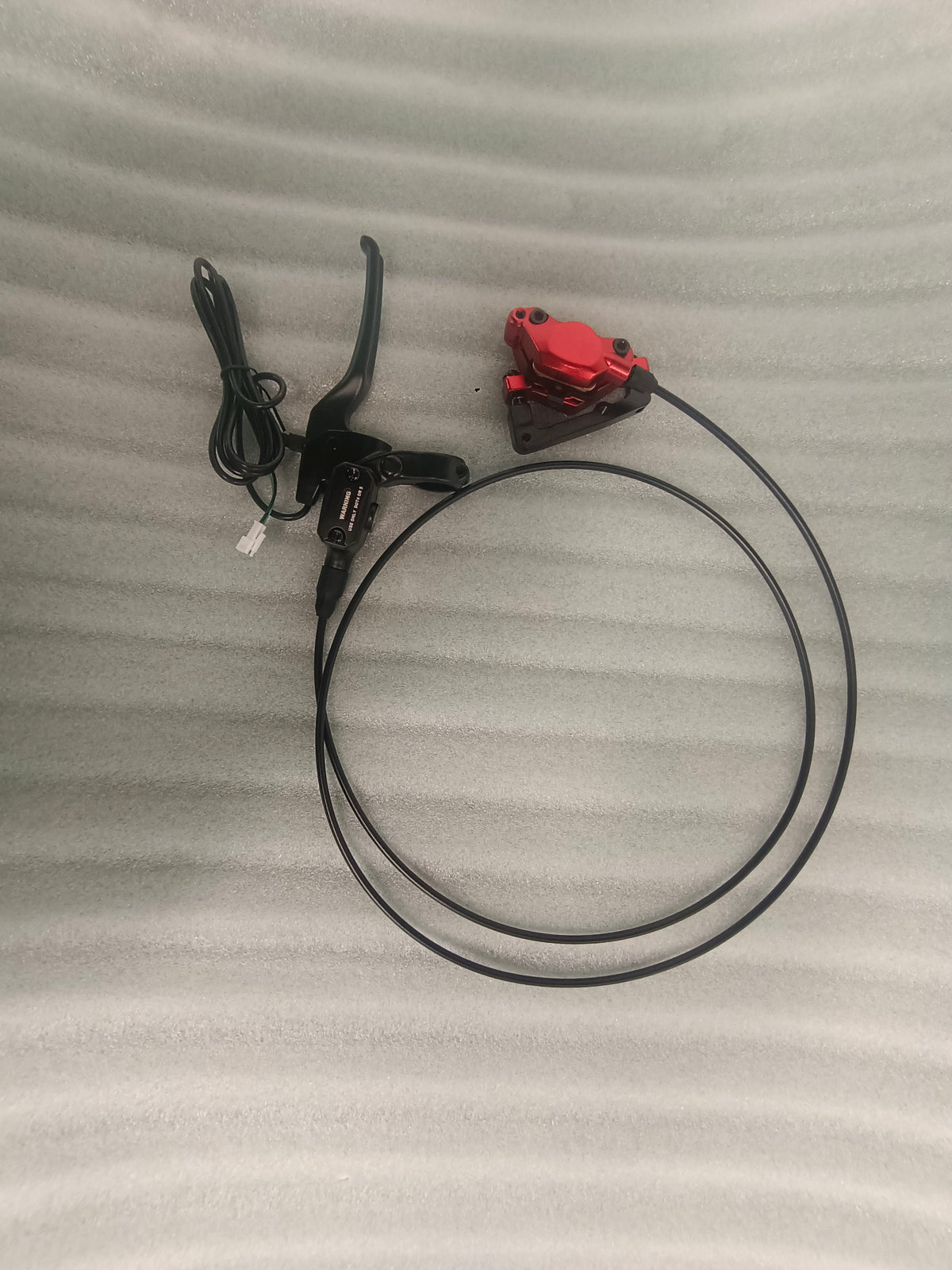
Updated: November 8, 2026
Hydraulic vs mechanical e-bike brakes is a control-and-maintenance decision, not a fashion choice. Hydraulics usually stop harder with less hand effort and stay more consistent when a heavy fat-tire bike is wet or loaded; mechanical discs are simpler and cheaper to service at home—and still adequate for lighter, lower-speed riding if cables and pads stay fresh. Pick the system that matches your speed, hills, weather, and willingness to bleed fluid.
What Is the Difference Between Hydraulic and Mechanical Disc Brakes?
Hydraulics push fluid; mechanicals pull a cable.
Both clamp pads onto a rotor. Hydraulic systems use sealed fluid to multiply lever force with strong bite and fine modulation. Mechanical systems use a steel cable and housing; they work well when adjusted, but need more finger strength and more frequent cable attention as housing friction and stretch build. On e-bikes that carry speed and weight, that difference shows up as lever fatigue and wet-weather consistency.
This page owns the “which stops better for you” buyer decision for fat-tire e-bike use. If you already own mechanical discs and are asking whether an upgrade is worth the parts cost, use the companion angle in hydraulic vs mechanical: worth the upgrade instead of duplicating that teardown here.
Hydraulic vs Mechanical at a Glance
Compare the rows against your real rides—Class-style 28 mph assist, cargo, rain, and DIY comfort matter more than catalog adjectives.
| Factor | Hydraulic | Mechanical |
|---|---|---|
| Stopping power / modulation | Stronger bite, finer one-finger control when set up well | Good when adjusted; needs more lever force |
| Wet / heavy loads | More consistent under fat-tire weight and speed | Firmer squeeze; fades sooner if pads/cables neglected |
| Maintenance | Bleed when spongy; keep fluid clean | Cable stretch, housing friction, barrel adjusters |
| DIY friendliness | Pad swaps easy; bleeds need fluid care | Cable and pad work is straightforward for many owners |
| Best match | Faster assist, hills, cargo, frequent rain | Shorter flat rides with diligent cable/pad checks |

Which Brake System Stops Better for Fat-Tire E-Bikes?
Hydraulics usually win on control when speed and mass rise.
Assisted bikes add kinetic energy quickly. A system that needs two strong fingers on every stop becomes tiring on hilly commutes and less precise in the wet. Hydraulic modulation helps you scrub speed without locking a fat tire as easily, which matters on paint, metal plates, and damp leaves. Mechanical discs can still stop you—especially at lower average speeds—but they ask more from your hands and from your maintenance schedule.
Pads and rotors decide outcomes on both systems. Oily rotors, glazed pads, and undersized rotors erase hydraulic advantages. Learn pad timing in when to replace e-bike brake pads, and rotor diameter/wear cues in rotor sizing and wear or the right rotor for your e-bike.
Prefer hydraulic if you regularly use higher assist speeds, ride hills, carry cargo, or commute in rain. Mechanical remains reasonable for shorter flat errands if you inspect cables monthly, keep housing clean, and replace pads early. There is no safety prize for ignoring either system.
How Do You Maintain Each System?
Match the service to the failure mode you feel at the lever.
Spongy hydraulic levers usually mean air or contaminated fluid—bleed before you blame pads. Follow a careful process in how to bleed hydraulic brakes on an e-bike, and use the fluid type your calipers specify. Mechanical levers that creep toward the bar often need cable tension, new housing, or pad replacement; barrel adjusters are for fine tuning, not for hiding frayed cables.
Both systems hate chain lube on rotors. Clean rotors with a disc-safe method, bed new pads properly, and stop riding if a lever pulls to the grip. E-bike weight makes “almost brakes” a bad experiment. If you are diagnosing a whole bike that also cuts power when levers stick, remember brake inhibitor switches can silence the motor even when the calipers still clamp—see the troubleshooting overview when symptoms mix.

Can You Upgrade From Mechanical to Hydraulic?
Often yes, if mounts, rotor size, and dropout spacing match. Budget for levers, calipers, hose, olives/connectors, and possible adapters—not just “a caliper.” Confirm IS vs post mounts and rotor diameter before you order. If the bike already stops confidently with fresh mechanical parts on flat routes, an upgrade is optional comfort; if you are under-braked at Class-3-style speeds or on hills, prioritize the hydraulic path or a rotor size bump your frame allows.
What Mistakes Make Either Brake System Feel Weak?
Contaminated rotors and late pad changes erase good hardware.
Chain lube on a rotor, under-bedded pads, and warped rotors from overheating create noise and long stopping distances on hydraulic and mechanical bikes alike. Clean the rotor with a disc-safe approach, replace pads in pairs, and re-bed them with controlled stops from moderate speed. If a caliper sits crooked, the pad hits at an angle and never develops full contact—recenter the caliper before you declare the system inadequate. Lever reach that is too far for your hands also makes mechanical brakes feel worse than they are; adjust reach where the lever allows so you can cover the brake without stretching.
FAQ
Are hydraulic brakes better than mechanical on an e-bike?
For most heavier or faster e-bike use, yes: hydraulics usually offer stronger bite and less hand fatigue. Mechanical discs remain workable for lighter, lower-speed riding when cables and pads are maintained. Match the system to speed, hills, weather, and your service comfort.
Why does my hydraulic lever feel spongy?
Air in the line or contaminated fluid is the usual cause. Bleed the system with the correct fluid before replacing pads. If the lever still pulls to the grip after a proper bleed, inspect for leaks at hose fittings and caliper seals.
How often should I adjust mechanical disc brakes?
Check cable tension and pad wear regularly—monthly is a sensible habit for daily riders, and after any housing contamination. Replace frayed cables instead of endlessly turning the barrel adjuster. Keep rotors free of chain lube.
Can I upgrade mechanical e-bike brakes to hydraulic?
Often, if caliper mounts and rotor size are compatible. Plan for a full lever/caliper/hose kit and confirm adapters. If you only need a modest improvement on flat routes, fresh mechanical pads and cables may be enough.
Do fat tires change which brakes I need?
Fat tires and assisted speed increase stopping energy, so consistent hydraulic control helps more riders. Either system still depends on adequate rotor size and healthy pads. Soft tires also change traction—brakes cannot invent grip on ice or oil.
Where to Verify Facts and Rules
For road-user and product-safety context, see NHTSA bicycle safety, PeopleForBikes, CPSC battery safety education, UL Standards and Engagement, and FAA PackSafe. This article is maintenance guidance, not a shop certification.
Conclusion
Choose hydraulic when assisted speed, hills, cargo, or rain make lever control and wet consistency non-negotiable; choose well-maintained mechanical when rides stay shorter and flatter and you will service cables. Keep pads and rotors healthy on either path, and browse fat-tire e-bikes with the brake type listed on each live product page rather than assuming every model ships the same system.
Explore more in Maintenance & Parts.
Give the parts you rely on the attention they need.
Explore YVY parts Maintenance & Parts