

YVY RIDING GUIDES
Battery Fire Risks: How Certification, Storage, and Charging Habits Lower Them
Keep your next ride in mind when choosing your battery setup.
Explore batteries & accessories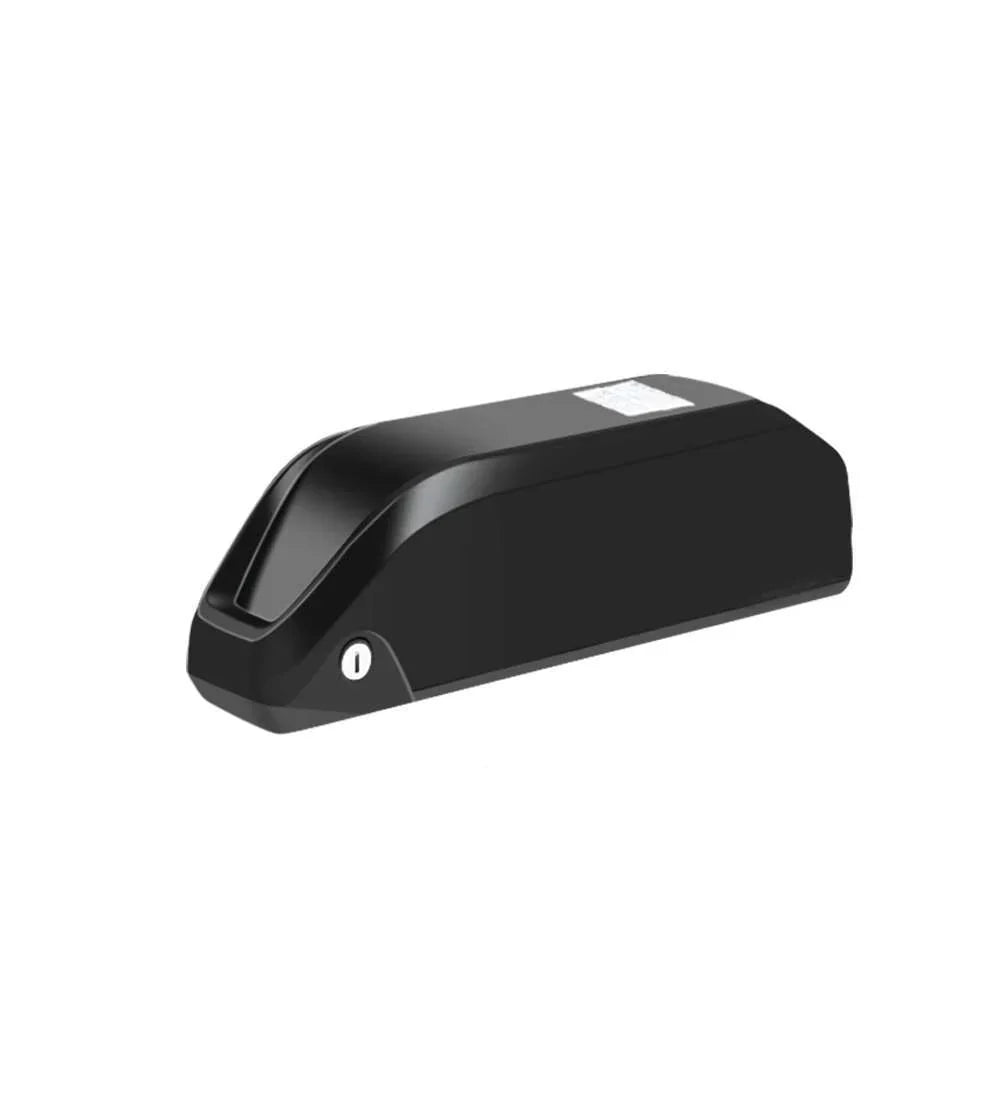
Updated: November 9, 2026
E-bike battery fires are rare for a well-made, undamaged pack that is charged with its matching charger, and they are serious when they happen. The risk is driven by three things you can actually control: the quality of the battery and charger, how you charge, and how you store or handle the pack. This guide separates useful precautions from fear and stays with practices published by fire-safety and standards groups.
What Actually Raises Battery Fire Risk?
Damage, bad chargers, and weak packs.
Lithium-ion cells can enter thermal runaway if they are defective, damaged, overcharged, or paired with the wrong charger. Uncertified, converted, or swollen packs show up in far more headlines than a listed system used as designed.
Thermal runaway is an uncontrolled self-heating state that can produce smoke, fire, or toxic off-gassing. The UL Standards & Engagement e-mobility safety hub explains that damaged, modified, counterfeit, or otherwise substandard batteries are the ones that reach that state. The NFPA e-bike safety page adds that fires have also been tied to faulty charging gear, poor charging practice, and overloaded circuits.
NFPA also notes that there are no solid national or international counts of how often e-bike or e-scooter fires occur. It does report New York City Fire Department figures: more than 250 such fires in 2022–2023, with five deaths and dozens of injuries, compared with 13 tracked fires in 2019, the first year FDNY kept that record. Those numbers describe one city’s tracking, not a nationwide rate you can apply to every garage. In the United Kingdom, the London Fire Brigade says lithium-ion fires involving e-bikes or e-scooters happen on average every two days in London, many of them in homes during charging. That is local UK experience, labeled here so it is not mistaken for a U.S. average.
The useful conclusion is not panic. It is that risk concentrates in unlisted, damaged, converted, or mistreated packs—and that charging is the moment when many preventable incidents start.

How Do Certification Marks Lower the Risk?
They screen out many defective designs.
A listed battery and system have been tested against defined electrical and thermal failures. The mark is a strong buying signal, not a promise that abuse cannot start a fire.
Two names appear most often in U.S. shopping checklists. UL 2271 addresses the battery pack. UL 2849 addresses the e-bike electrical system as a whole. NFPA notes that UL first published UL 2272 for personal micromobility electrical systems in 2016 and UL 2849, specific to e-bikes, in 2020. PeopleForBikes’ certification explainer, as summarized by CalBike, also points shoppers toward UL 2849 or the similar European EN 15194 system test. You can read more about the standards bodies at UL Standards and Engagement.
Use those marks as a buyer checklist when you compare any brand, including this one. Do not treat this article as a certificate. Some current YVY model titles list a cTUVus mark; confirm that wording on the live product page you are considering rather than assuming every YVY battery carries UL 2849 or UL 2271. A listed charger that matches the pack is part of the same story. Aftermarket cells, unofficial chargers, and home conversion kits remove the protection the original system was tested with and raise risk sharply.
What Charging Habits Reduce Fire Risk?
Use the matched charger, and stay nearby.
Charge with the charger sold for that battery, on a hard surface, in a spot with a working smoke detector, and unplug when the pack is full. Avoid soft furnishings and unattended overnight sessions when you can.
NFPA’s consumer advice is direct: do not keep charging once the battery is full, never use charging equipment that did not come with the device, and stop if the pack shows damage, an unusual odor, or a change in color. Have repairs done by a qualified professional. The 2024 edition of NFPA 1, as summarized on that same page, also tells building users not to charge micromobility devices on extension cords or power strips, not within about 10 feet of combustibles, and never in a way that blocks an exit.
CalBike adds a practical home rule: most documented e-bike battery fires happen during charging, so do not leave the pack plugged in overnight if you can avoid it, and take it outside immediately if it starts to get hot. Plug the charger straight into a wall outlet. Extension cords have been linked to charging fires. London Fire Brigade likewise stresses that many of its incidents happen in homes while batteries are charging and publishes separate advice on how to charge more safely.
For cell-level charging behavior, Battery University’s lithium-ion charging article explains why sitting for long periods at 100 percent is harder on the chemistry than a partial charge. Daily range habits that also help the pack last longer live on the charging-habits routine; this page owns the fire side of the same behavior.

How Should You Store and Inspect a Pack?
Cool, dry, partial charge, no damage.
Store the battery at a partial charge in a cool, dry place away from direct sun and extreme cold. Never charge or store a swollen, wet, or impact-damaged pack, and keep storage out of the escape path from a room.
Temperature and time slowly stress cells. A garage that bakes in summer or freezes in winter is a poor long-term home for a lithium pack. If you need seasonal storage details, use the winter battery storage guide rather than repeating that routine here. CalBike’s simpler year-round rule is enough for daily life: protect the pack from weather and extreme temperatures, and do not keep using a case that is cracked or crushed.
Inspect after any drop. Internal damage can stay invisible until the next charge cycle. Keep the pack away from puddles and pressure washers. Sand and salt belong in a rinse-and-dry routine after beach rides, not inside the charge port.
Which Warning Signs Mean You Should Stop?
Smell, swell, heat, or burn marks.
Unplug if you can do so safely and move the pack outside, away from buildings and exits. Do not put a suspect battery back on the charger to see if it recovers.
Those signs are not quirks to ride through. A sweet or solvent-like smell, a change in shape, a hiss, or unexpected heat during charging means the pack needs to leave the building. The same pause applies when the charger or connector shows scorch marks, or when range collapses suddenly with no change in how you ride.
Do not put a suspect pack back on the charger to “see if it recovers.” Contact the seller or a proper battery-disposal service. Age alone is not the trigger; the response to warning signs is. A listed, undamaged pack that charges normally and stays cool is the ordinary case. The rare fire is most often a predictable failure that someone kept charging.
FAQ
Is it safe to keep an e-bike battery in the house?
It can be, when the battery is listed or otherwise safety-tested, undamaged, and charged on a hard surface near a working smoke detector. Keep it at a partial charge in a cool, dry place, use the matching charger, and unplug when the charge finishes. Move a swollen, hot, or damaged pack outside immediately. Indoor storage is about habits and clear exits, not a claim that every kitchen corner is ideal.
Can a lithium e-bike battery catch fire when it is not charging?
Yes. Damage, defects, or prior overheating can lead to failure off the charger, which is why a crushed or soaked pack should be retired even if it still shows some charge. Many documented incidents do happen during charging, so that is the moment to watch most closely. Store packs at a partial charge rather than empty or full for long periods, and never charge a pack that already looks or smells wrong.
How do you prevent e-bike battery fires?
Buy a pack and system with a verifiable safety mark, use only the matching charger, plug into a wall outlet rather than a cheap strip, charge on a hard surface with a detector nearby, and unplug when full. Store the battery cool and dry at a partial charge. Stop immediately if you see swelling, smell anything unusual, or feel unexpected heat. Do not install unofficial cells or conversion kits.
Does a certification mark mean a battery cannot catch fire?
No. UL 2271, UL 2849, and similar marks mean a listed laboratory tested the design against defined failures. They reduce the chance that a poorly protected pack reaches you. They do not make the chemistry immune to puncture, water damage, the wrong charger, or being left to cook on a sofa. Treat the mark as the starting line, then keep the charging and storage habits that prevent the rest.
Conclusion
Battery fire risk falls when you stack three habits: buy a tested pack and matching charger, charge attended on a hard surface and unplug when full, and store the battery cool, dry, and undamaged. Certification handles many defective designs; your routine handles the preventable ones. That is a calmer, more accurate picture than any absolute promise that a fire can never happen.
Next step: If you need a matching charger or a replacement pack, confirm the fit on the product page rather than improvising a substitute.
View the YVY chargerExplore more in Battery & Range.
Keep your next ride in mind when choosing your battery setup.
Explore batteries & accessories Battery & Range